
1. Introduction: The Crisis of Representation and the Imperative for Reform
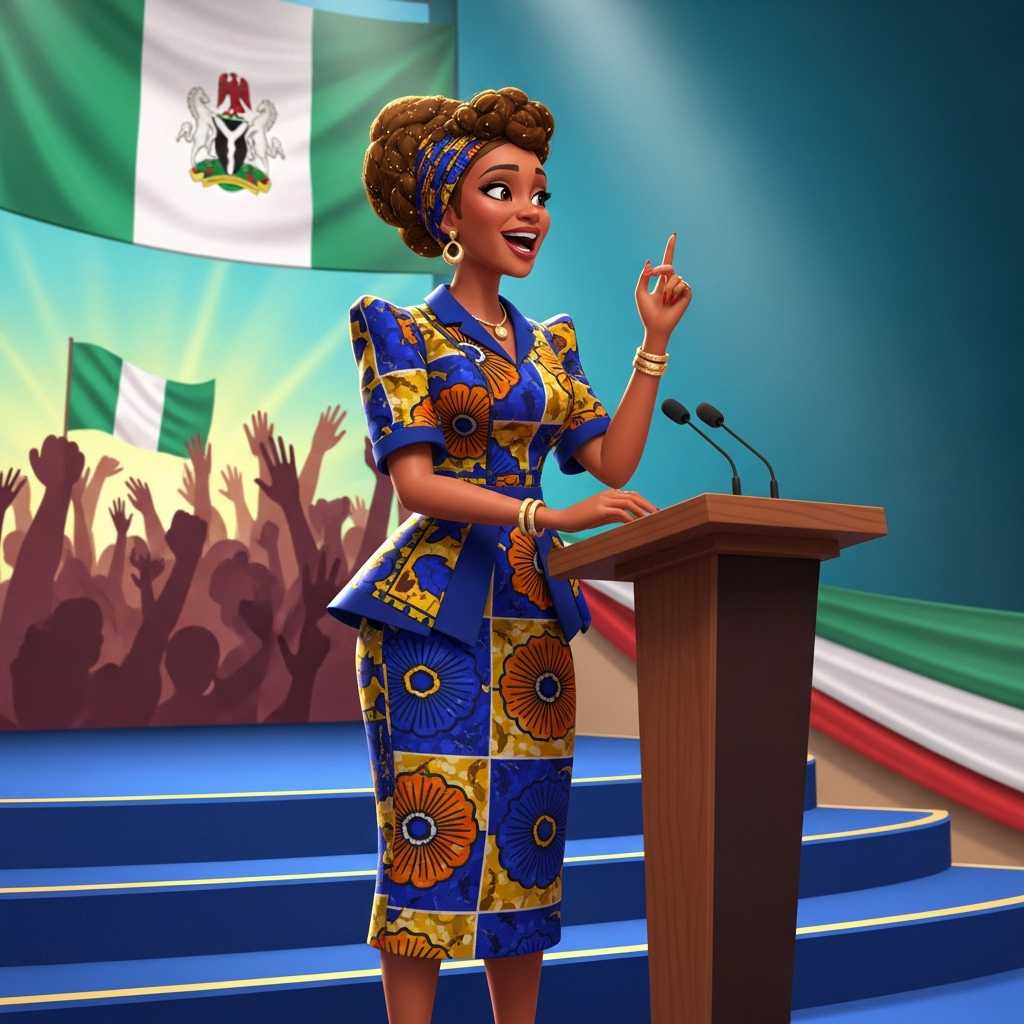
The Federal Republic of Nigeria, despite being the most populous nation in Africa and a putative giant of democracy on the continent, faces a profound crisis of legitimacy and inclusivity. The systemic exclusion of women from the corridors of legislative power has calcified into a structural deficit that undermines the very ethos of representative democracy. As the 10th National Assembly undertakes the constitution review process, the “Bill for an Act to Alter the Provisions of the Constitution of the Federal Republic of Nigeria 1999 to Provide for Special Seats for Women in the National and State Houses of Assembly” (HB. 1349 / SB. 440) has emerged as the most critical legislative intervention for gender equity in the Fourth Republic.
This write-up supports the passage of the Reserved Seats Bill, arguing that the persistent underrepresentation of women, hovering below 5% in the National Assembly, is not merely a function of voter apathy or lack of merit, but the result of deeply entrenched patriarchal gatekeeping, the monetization of politics, and a violent electoral ecosystem that systematically disenfranchises female candidates. To substantiate this support, this analysis draws extensively from the comparative experience of the Republic of Kenya, where the 2010 Constitution entrenched the “Two-Thirds Gender Rule,” providing a rich, albeit complex, jurisprudential roadmap.
The argument presented herein is that formal equality, treating unequal groups the same, has failed Nigerian women. The Constitution of 1999, while facially neutral, operates within a context of substantive inequality. Therefore, the introduction of Temporary Special Measures (TSMs) in the form of reserved seats is not a distortion of democracy, but a necessary corrective mechanism to achieve substantive justice, consistent with Nigeria’s obligations under the Maputo Protocol and the Convention on the Elimination of All Forms of Discrimination Against Women (CEDAW).
1.1 The Context of Exclusion
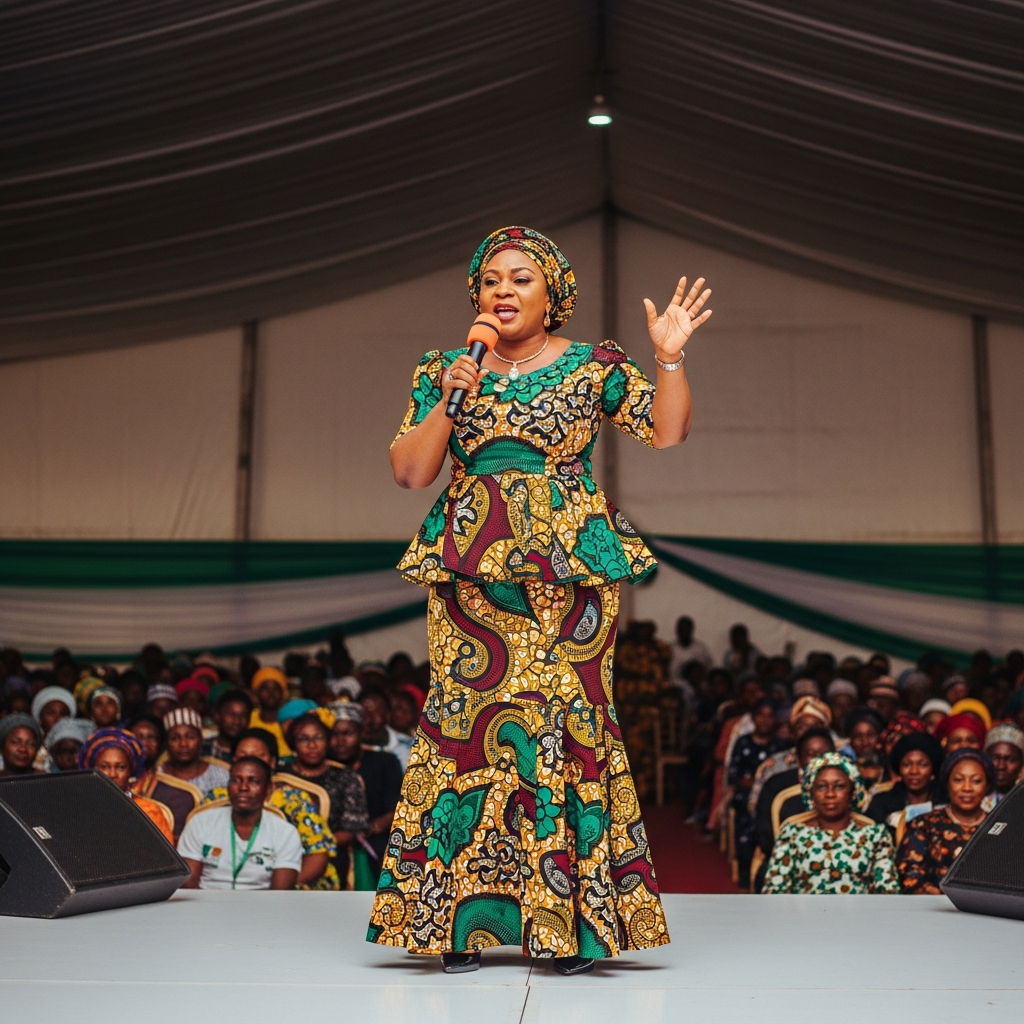
Since the return to civil rule in 1999, women’s political representation in Nigeria has defied the global upward trend. While other African nations such as Rwanda, Senegal, and South Africa have achieved gender parity or near-parity through deliberate constitutional engineering, Nigeria has regressed.
- In the 9th National Assembly, women occupied a negligible 4% of seats.
- In 15 State Houses of Assembly, there was zero female representation.
- The 2023 general elections saw further decline, with the number of women in the Senate dropping to three out of 109.
This regression persists despite women constituting approximately 49.4% of the population and a significant portion of the voting demographic. The exclusion is maintained by a “first-past-the-post” (FPTP) electoral system that creates a “winner-takes-all” environment, exacerbating the intensity of electoral competition and incentivizing parties to field candidates with the deepest pockets and highest capacity for violence, qualities that structurally disadvantage women in the Nigerian context.
2. Legislative Analysis of the Reserved Seats Bill (HB. 1349 / SB. 440)
The Reserved Seats Bill is a sophisticated constitutional amendment proposal designed to create a “double-ballot” system within Nigeria’s existing federal structure. It does not seek to displace sitting male legislators but expands the legislative space to accommodate women, thereby bypassing the fierce resistance often met by “candidate quotas” that force parties to drop male incumbents.
2.1 Proposed Constitutional Alterations
The Bill seeks to alter Sections 48, 49, 71, 77, and 91 of the 1999 Constitution (as amended). The architectural changes are precise and far-reaching:
2.1.1 Expansion of the Senate (Section 48)
Currently, Section 48 establishes a Senate of 109 members (three from each of the 36 states and one from the FCT). The Bill proposes to insert a new paragraph:
“(b) one additional Senator for each State and for the Federal Capital Territory, who shall be a woman.”
Legal Implication: This amendment creates 37 new senatorial districts. Unlike the existing three districts per state (North, Central, South), this new district would cover the entire state as a single constituency reserved for women. This mimics the “Woman Representative” model in Kenya’s National Assembly (Article 97 of the Kenyan Constitution), where 47 women are elected by the entire county. This design confers significant political legitimacy, as the successful candidate commands a state-wide mandate, technically larger than that of her male colleagues representing only a third of the state.
2.1.2 Expansion of the House of Representatives (Section 49)
Section 49 currently provides for 360 members. The Bill alters this to include:
“(b) two additional members for each State and the Federal Capital Territory, who shall be women.”
Legal Implication: This creates 74 new seats (2 x 37). The Independent National Electoral Commission (INEC) would be required to divide each state into two broad federal constituencies for women. This ensures that every part of the country has specific female representation, bringing the total number of reserved seats in the National Assembly to 111.
2.1.3 State Houses of Assembly (Section 91)
The Bill mandates the creation of three reserved seats in every State House of Assembly, one from each of the three senatorial districts.
Legal Implication: This is perhaps the most transformative aspect of the Bill, as state assemblies are the training ground for national politics. Guaranteeing 108 seats (3 x 36) at the sub-national level ensures a pipeline of experienced female legislators for future cycles.
2.2 The Nature of the Seats: Affirmative Action, Not Tokenism
A critical feature of HB. 1349 is that these seats are elective, not appointive.
- Contested Mandate: Women must campaign, secure party nominations, and win votes in a general election. This distinguishes the Nigerian proposal from the “Nominated Senator” model in Kenya (Article 98) or the “Special Seats” in Tanzania, which are often filled via party lists and accused of fostering patronage and “tokenism”.
- Sunset Clause: The Bill includes a sunset clause, stipulating that the special seats arrangement shall be reviewed after four electoral cycles (16 years). This frames the intervention as a Temporary Special Measure (TSM), consistent with Article 4(1) of CEDAW, which allows for temporary affirmative action that must be discontinued once the objectives of equality of opportunity and treatment have been achieved.
2.3 Financial Implications and Feasibility
Opponents argue that expanding the legislature balloons the cost of governance. However, a rigorous cost-benefit analysis rebuts this presumption.
- Budgetary Impact: Analysis by the Policy and Legal Advocacy Centre (PLAC) indicates that the additional 111 seats would increase the National Assembly’s budget by less than 5%, and the overall national budget by less than 1%.
- Economic Cost of Exclusion: The cost of excluding 50% of the population from decision-making is far higher. Evidence from Sub-Saharan Africa shows that increased female representation correlates with higher budgetary allocations to health, education, and social welfare, sectors critical for Nigeria’s human capital development. The “efficiency argument” suggests that diverse bodies make better decisions, reducing waste and corruption.
3. Comparative Jurisprudence: Lessons from Kenya
Kenya serves as the primary comparative case study for Nigeria. The Kenyan Constitution of 2010 is widely celebrated for its progressive gender provisions, yet its implementation offers a cautionary tale about legislative drafting and political will.
3.1 The “Two-Thirds Gender Rule” (Kenya)
Article 27(8) of the Kenyan Constitution mandates:
“The State shall take legislative and other measures to implement the principle that not more than two-thirds of the members of elective or appointive bodies shall be of the same gender.”
To operationalize this, the Constitution created specific reserved seats:
- 47 Woman Representatives in the National Assembly (Article 97).
- 16 Nominated Women in the Senate (Article 98).
Insight for Nigeria: The 47 elected Woman Representative seats have been a resounding success. They have normalized women’s leadership and allowed women to build war chests and political machinery. However, the general two-thirds rule for the rest of Parliament failed because the mechanism for achieving it was not explicitly codified in the Constitution, leaving it to Parliament to enact enabling legislation—legislation that the male-dominated House repeatedly killed.
3.2 Judicial Activism and the Failure of “Progressive Realization”
The Kenyan experience is defined by a protracted legal battle between civil society and the state regarding the timing of implementation.
3.2.1 Supreme Court Advisory Opinion No. 2 of 2012
When it became clear that the 2013 election would not produce a gender-compliant Parliament, the Attorney General sought an advisory opinion. The Supreme Court of Kenya ruled that the two-thirds gender rule was a right to be “progressively realized” over an extended period, rather than immediately enforceable.
- Critique: This decision effectively gave the political class a license to delay. It introduced a “loophole of procrastination” that Nigerian drafters must avoid. The Nigerian Bill acts correctly by specifying the number of seats immediately in the Constitution, rather than leaving it to a future act of Parliament.
3.2.2 CREAW v. Attorney General (2015) & FIDA-Kenya v. Attorney General
Civil society organizations, led by the Centre for Rights Education and Awareness (CREAW) and FIDA-Kenya, returned to court when Parliament failed to enact the required legislation by the Supreme Court’s deadline (August 2015).
- Judgment: The High Court declared that Parliament had violated the Constitution and ordered it to pass the legislation within 60 days. Parliament ignored this order.
3.2.3 The “Dissolution of Parliament” Advisory (2020)
In a historic escalation, Chief Justice David Maraga, responding to six petitions regarding Parliament’s continued recalcitrance, advised President Uhuru Kenyatta to dissolve Parliament under Article 261(7) for its failure to enact the gender rule.
- Implication: While the President did not dissolve Parliament, the advisory delegitimized the legislature, branding it as unconstitutional. This highlights the danger of constitutional ambiguity. Nigeria’s HB. 1349 avoids this by embedding the seats directly into the Constitution’s composition clauses (Sec 48 & 49), removing the need for secondary legislation that can be sabotaged.
3.3 The “Flower Girl” Syndrome and Seat Definition
A critique emerging from Kenya and Uganda is that women in reserved seats are viewed as “second-tier” legislators or “flower girls” who are not equal to constituency MPs. In Uganda, reserved seat MPs are often marginalized in committee assignments and budget allocations.
- Mitigation in Nigeria: The Nigerian Bill must ensure that the women elected to these special seats possess full legislative powers, including voting rights on all matters (not just “women’s issues”), access to constituency development funds, and eligibility for leadership positions (e.g., Speaker, Senate President).
| Feature | Kenya (2010 Model) | Nigeria (Proposed HB. 1349) | Advantage |
| Senate Seats | Nominated (Party Lists) | Elected (State-wide Constituency) | Nigerian model confers greater democratic legitimacy. |
| House Seats | 47 Elected (County) | 74 Elected (2 per State) | Nigeria creates higher density of representation. |
| Enforcement | “Progressive Realization” (Failed) | Immediate Constitutional Mandate | Nigeria avoids the “implementation trap” of future legislation. |
| Term Limit | Indefinite (Structural) | 16-Year Sunset Clause | Sunset clause may ease passage but risks regression if not renewed. |
4. Theoretical Justification: Substantive Equality and International Law
The legal philosophy underpinning the Reserved Seats Bill is the shift from Formal Equality to Substantive Equality.
4.1 Substantive Equality
Formal equality (equality before the law) assumes that if no law explicitly bars women from running, the system is fair. However, in a society characterized by historical patriarchy, economic disparity, and violence, “neutral” laws produce unequal outcomes. Substantive equality requires the law to treat unequal groups differently to achieve equal results.
- Judicial Support: In FIDA-Kenya v. Attorney General , the Kenyan High Court recognized that treating spouses equally in property division without acknowledging non-monetary contribution (care work) leads to injustice. The court affirmed that the law must look at the reality of women’s lives. Similarly, electoral law must look at the reality of women’s political exclusion.
4.2 International Obligations
Nigeria is bound by treaties that mandate this Bill.
4.2.1 The Maputo Protocol
Article 9 of the Protocol to the African Charter on Human and Peoples’ Rights on the Rights of Women in Africa (Maputo Protocol) explicitly mandates “specific positive action” to promote participative governance.
- Status: Nigeria ratified this in 2004 but has failed to domesticate it. The Reserved Seats Bill acts as the practical domestication of Article 9.
4.2.2 CEDAW
The CEDAW Committee’s 2017 Concluding Observations on Nigeria expressed “serious concern” at the low number of women in parliament. It specifically recommended the adoption of “temporary special measures” (TSMs), including quotas and reserved seats, to accelerate equality.
- Legal Weight: By failing to pass this Bill, Nigeria is in continuing breach of its international obligations under CEDAW and the African Charter.
5. Socio-Economic Arguments: The Cost of Exclusion
Beyond legal compliance, the Bill is an economic imperative.
5.1 The Development Dividend
There is a robust statistical correlation between female parliamentary representation and improved development outcomes.
- Health and Education: Research across Sub-Saharan Africa indicates that as the share of women in parliament increases, public spending on health and education rises significantly. Women legislators prioritize social welfare legislation more than their male counterparts.
- Economic Growth: A study of 105 developing economies found that female political empowerment is positively associated with economic growth, as it brings diverse perspectives to economic planning and resource allocation.
5.2 Efficiency and Anti-Corruption
Studies suggest that higher female representation is associated with lower levels of corruption and higher quality of governance. Women in leadership often adopt more participatory and transparent decision-making styles. Therefore, the “cost” of the additional seats is an investment that yields high returns in governance quality.
6. Recommendations for Strengthening the Bill
While HB. 1349 is a robust piece of legislation, the comparative analysis with Kenya suggests specific refinements to ensure it achieves its transformative potential.
6.1 Avoiding the “Progressive Realization” Trap
The Bill must be self-executing. It should avoid language that defers details to the Electoral Act. The constituency delineation (dividing states into two for the House of Representatives) should be mandated to occur automatically upon passage, with a strict timeline given to INEC (e.g., “within 6 months of assent”).
6.2 Preventing Elite Capture
There is a risk that these seats will be captured by the wives, daughters, and cronies of existing male “godfathers,” reinforcing elite dominance rather than empowering grassroots women.
- Recommendation: The Bill (or the accompanying Electoral Act amendment) should include robust provisions on internal party democracy, limiting the cost of nomination forms for these seats and mandating transparent primaries.
6.3 Defining the Sunset Clause Trigger
The 16-year sunset clause is prudent, but it should be conditional. Instead of an automatic expiry, the clause should state that the seats will exist “until women achieve at least 35% representation in the general constituencies.” If after 16 years, women still hold less than 10% of open seats, removing the reserved seats would cause a catastrophic drop in representation.
6.4 The “Zebra” System for Senate Seats
For the 37 Senate seats, ensuring they rotate between the three existing senatorial zones within a state over different election cycles could promote equity within the state, preventing one zone from monopolizing the “Woman Senator” slot.
7. Conclusion
The “Reserved Seats for Women Bill” is not merely a demand for charity; it is a demand for the completion of Nigeria’s democratic project. The current exclusion of women is a structural flaw that renders the National Assembly unrepresentative of the Nigerian people.
The Kenyan experience demonstrates that constitutional mandates work. The creation of 47 Woman Representative seats transformed the Kenyan political landscape, creating a critical mass of women who have reshaped the national agenda. However, Kenya also teaches that ambiguity is fatal. Nigeria must avoid the “progressive realization” trap by ensuring the Reserved Seats Bill is immediate, specific, and self-executing.
By passing this Bill, the 10th National Assembly has the opportunity to align Nigeria with the global community, fulfill its obligations under the Maputo Protocol, and unleash the developmental potential of Nigerian women. The alternative, maintaining the status quo, is to accept that Nigeria’s democracy is, and will remain, incomplete.

FIAE Head of Unit
Leadership and Good Governance
This is an exceptionally rigorous and persuasive intervention that combines constitutional theory, comparative jurisprudence, and empirical policy analysis into a coherent argument for substantive democratic reform. Its greatest strength lies in how it moves beyond moral advocacy to legal precision, clearly demonstrating that women’s underrepresentation in Nigeria is a structural failure of formal equality rather than a deficit of merit. The comparative use of Kenya’s two-thirds gender rule is particularly compelling, not as an idealized borrowing, but as a nuanced case study that highlights both successes and cautions, especially regarding constitutional ambiguity and the progressive realization of gender equality. The article’s careful legislative mapping of HB. 1349 down to specific constitutional sections, electoral design, fiscal implications, and sunset safeguards shows rare depth and foresight, while its grounding in international obligations under CEDAW and the Maputo Protocol strengthens its normative authority. Overall, this is not only a strong scholarly contribution but also a practical roadmap for lawmakers, advocates, and reformists seeking to complete Nigeria’s democratic project through intentional, constitutionally sound inclusion.